CANINE Safety: Dog Training to Walk Better, Think Better, Live Better
Have you tried doga, puppy yoga, or dog yoga?
After more than 35 years of training dogs, I have something a little different, the C.A.N.I.N.E. Method. It blends Tai Chi-like moving meditation with dog training, along with behavioral science and principles of personal development that give it a holistic structure.
Why the three quadrant approach?
The three quadrants of Somatic Orientation, dog training skills, and behavioral science/personal development will address something I've noticed for over 35 years. I have observed that the human handler often has a harder time learning the proper sequence for a drill than the dog. Most handlers wait too long before they start a training program. By the time they do start training they are in such a hurry to solve a dog behavior problem they don’t focus enough on good technique. By working on three quadrants, sometimes individually and sometimes together, we can develop good handler skills and understanding along with improved health and well being.
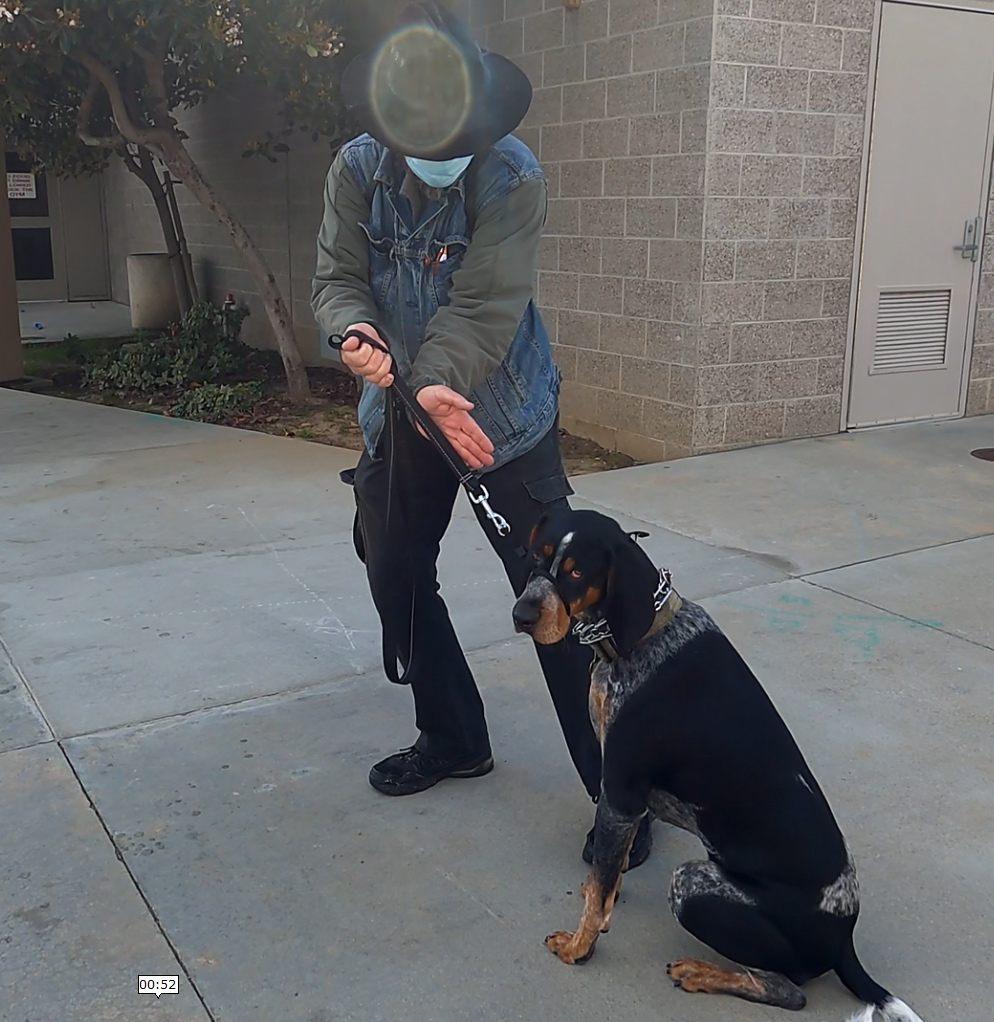
the Photos below are in La Mirada, Orange County, California
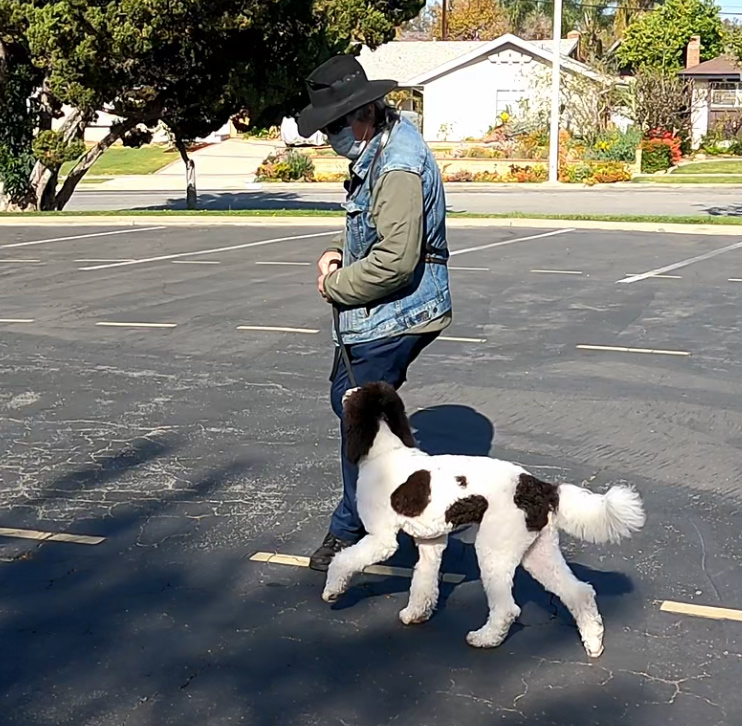
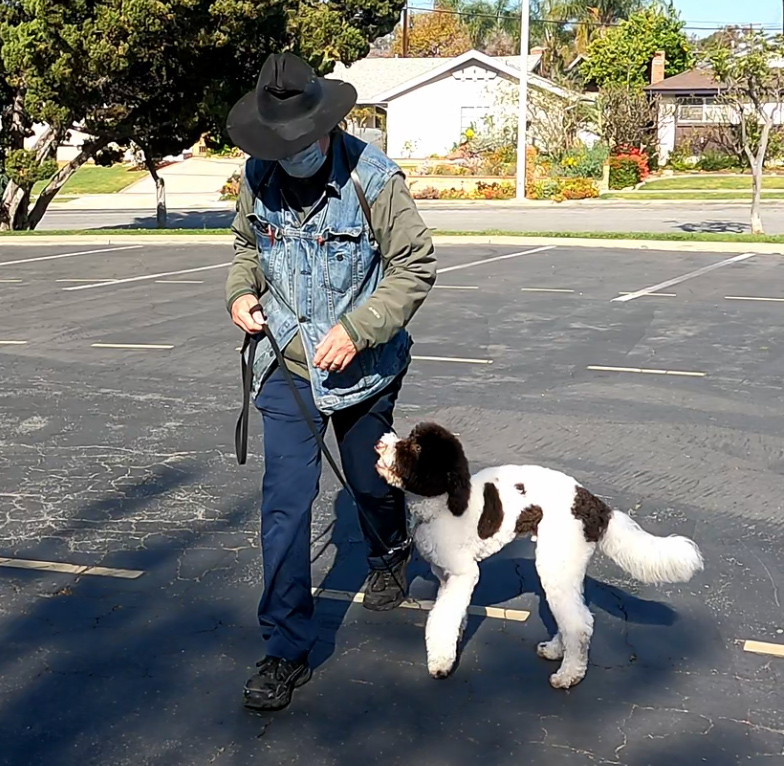
The C.A.N.I.N.E. Method.
For now, it’s offered through the OC Dog Training Network as a core component of group dog training classes.
Each letter in C.A.N.I.N.E. represents an important concept in the system:
C — Change Strategies — the deliberate frameworks we use to shift behavior, in dogs and in people
A — Acceptance & Adaptability — recognizing what we can and can't control, and building the flexibility to work within that
N — Narrative Design — the stories we tell about our dogs, ourselves, and what's possible, and how those stories shape outcomes
I — Instructional Design — how information and skills are structured and sequenced so learning actually sticks
N — Neuro-Behavioral Communication — understanding the biological and behavioral signals moving between handler and dog
E — Emotional Homeostasis — developing the internal regulation that makes consistent, effective handling possible
Taken together, these six components make this unlike any dog training program you've encountered.
This program won't train your dog faster. What it will do is change how you observe, think, and move: this not only changes how your dog behaves but how you behave.
It is designed for people who want to learn a system they can carry into other areas of their lives, it’s a self-improvement program through the human/dog relationship.
This is designed to be your personal experiment in change. Because it’s more of a self-exploration experience, it’s not the right fit for everyone. If your primary goal is simply getting your dog to behave, one of my other programs will probably serve you better.
What makes it different?
The C.A.N.I.N.E. Method is built around healthy movement, habit formation, and a framework for thinking about behavior. This includes your behavior and your dog's. We are starting with Somatic Orientation or what could be thought of as moving meditation. This is to help people work through a lifetime of moving in a certain way that is counter productive to this particular style of dog training. The theory behind these drills is based on how B.F. Skinner described how a behavior that’s used over and over in several different scenarios acquires a great deal of strength. This makes it highly probable that the unconsciously practiced behavior will occur without thinking. It becomes part of your procedural memory. Somatic Orientation is designed to break through old behavior patterns and create a more efficient and useful way of moving and thinking.
Mind and Body Flow in Dog training.
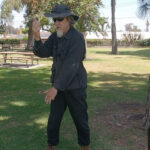
While Somatic Orientation is not Tai Chi, it draws on Tai Chi-like drills combined with dog walking and dog training to support physical health and teach new behavioral patterns. Research on this kind of mind-body movement practice suggests meaningful benefits for both.
The sequence follows a logical progression. First, we establish body awareness; what we're doing physically and what's required to move effectively. This builds a new orientation between body and environment. It’s the physical foundation for the movements a handler needs in order to train effectively.
Preventing Injuries Associated With Dog Walking - Human Well-Being
One objective of this program is to teach people how to move in a safer and more effective manner. Emergency room visits related to dog walking are relatively rare, around 1 in 10,000, but unreported injuries and falls happen far more often. This comes from a paper published in the Journal of the American Veterinary Medical Association in July 2024 (Rosa and Buckley, Leash-related injuries associated with dog walking: an understudied risk for dog owners?), which compiled findings from the major studies on this topic published over the past twenty years.
Fall Prevention While Walking The Dog
Over the past six years, many of the handler-dog teams I've worked with have been pulled down or injured by their dogs pulling on leash. Only one of those resulted in an emergency room visit and extensive rehabilitation, and that was before they started working with me. Most of these injuries are preventable with the right leash handling and body positioning. This is done by developing the muscles used for side to side motion along with forward motion. In addition we work at ankle stability and intuitively using the hips and feet to orient the body.
There's no shortage of articles about the dog's well-being as it relates to training and equipment. There's far less written about human well-being, which is often what's needed to ensure the dog's well-being. This multidimensional training program teaches the proper biomechanics for the handler's end of the leash, not just the dog's.
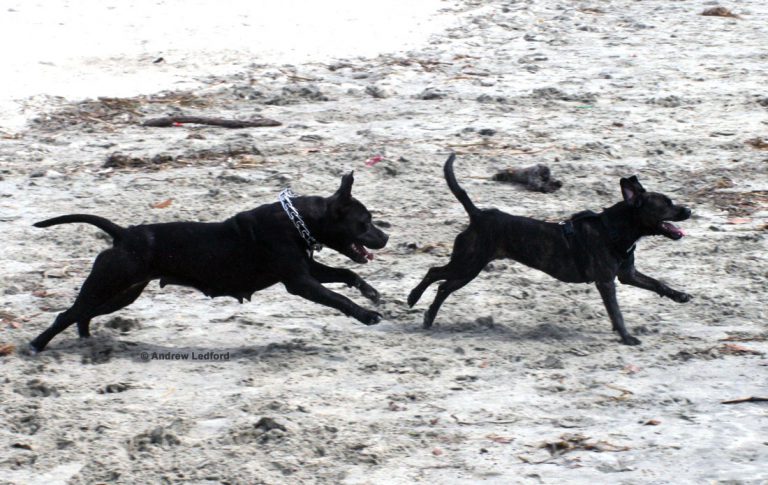
This Photo Below Shows Dog Training In Long Beach, California
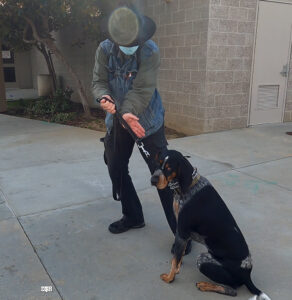
Once these behaviors are in place we can bring the dog more and more into the process. When the handler can efficiently manage the dog, longer dog training sequences can be initiated. This will improve the physical and psychological benefits of the work.
Fall Prevention for Senior Dog Walkers: Training & Safety
Procedural Memory and Dog Training
One important concept is learning how to work with and develop psychomotor skills. Basically how to develop new behavior patterns and implement them without thinking. We accomplish this with well structured drills. Drills build skills. The physical skills you develop are a form of procedural memory. All drills incorporate many of the same principles that are behind the Somatic Orientation exercises.
Semantic Memory and Dog Training
But procedural memory doesn't work alone. Along with procedural memory we want to cultivate our semantic memory system. Semantic memory involves our general knowledge of the world, such as word meaning, world facts and it shapes our world view. In this training program we build semantic understanding through learning theory and the stories of others. This is an important part of a person’s orientation. First we take in information, then we organize, filter, and retain it to create our orientation. This process involves using facts and the verbal behavior of others as a proxy for both experience and reinforcement.
Episodic Memory, Narrative Design, and Dog Training
Episodic memory is the memory of our life events and history; the raw material of our life narrative. It's an important component for running internal simulations, drawing on past experience to work through novel situations. This is where Narrative Design becomes practical: the stories we construct from these memories and the ideas we create directly shape what we believe is possible.
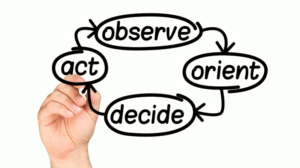
The Training and Drills Are Not Separate from the Goal
The somatic drills are purpose-driven and an important component to the whole process. The physical drills and exercises are where we begin cultivating what John Boyd called the OODA Loop: Observe, Orient, Decide, Act.
We start at the body level, building in contingencies and timing, often through physical repetition. As the program progresses, we carry it forward into more cognitive work. The aim is a person who doesn't just know how to train their dog, but who has internalized a way of observing, thinking, and moving through the world.
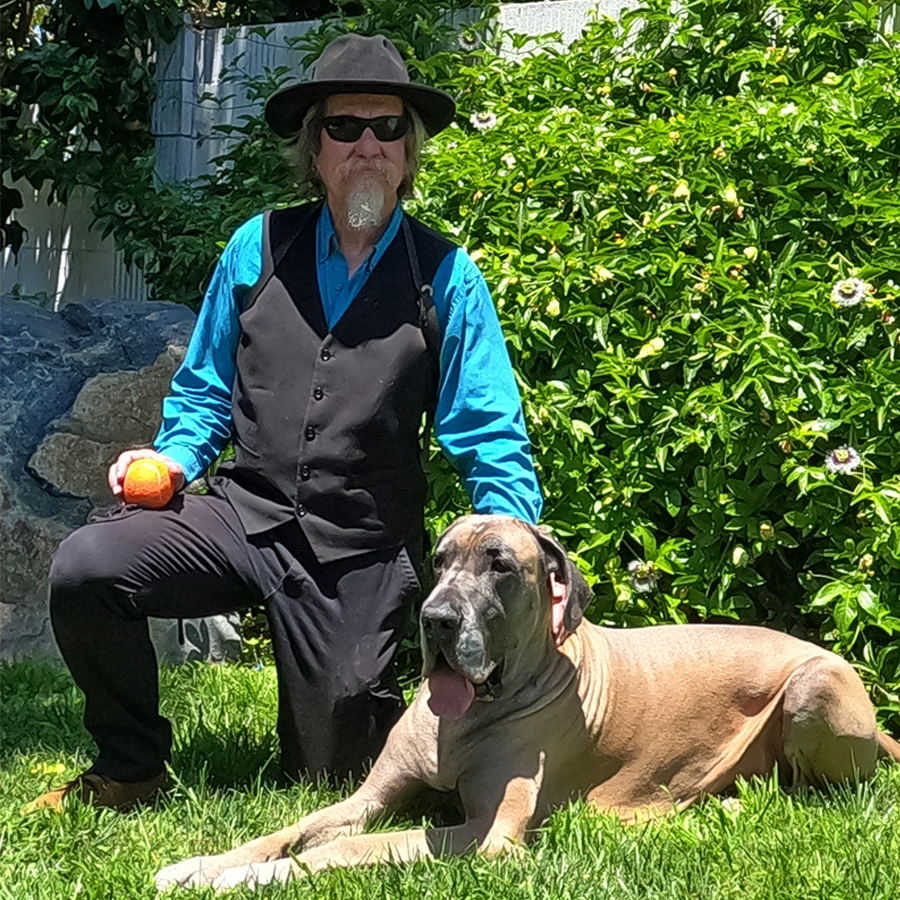
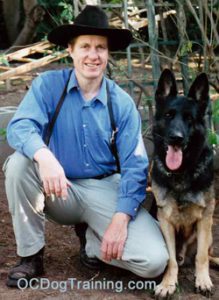
Your Dog Trainer Andrew Ledford Serving 714 Orange County, Long Beach, all the 562 as well as parts of the Gabriel Valley from Hacienda Heights to Pasadena.
If you need help with your puppy or dog’s behavior please give me a call today I will do a free phone evaluation and if you would like to move forward we can make an appointment.
Andrew Ledford
OC Dog Training Network
714-827-4058