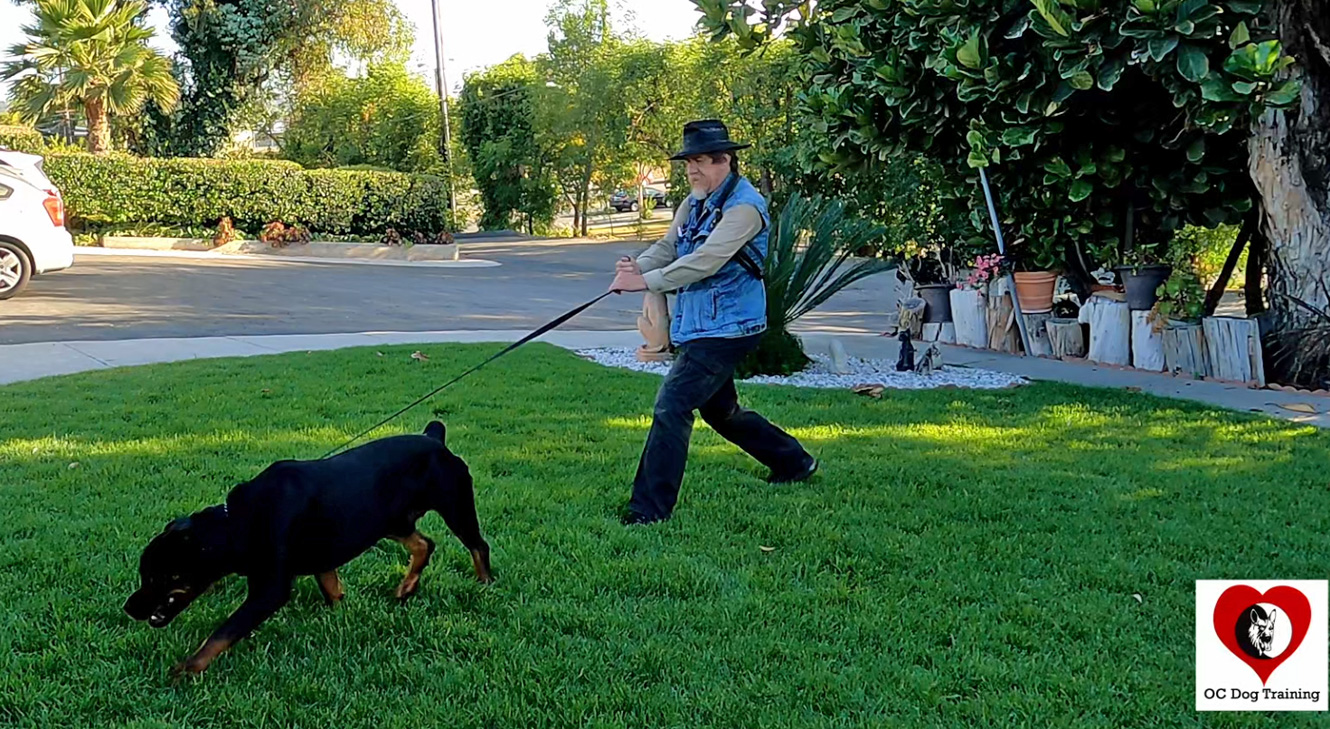
Fall Prevention for Senior Dog Walkers: Training & Safety
If you walk a dog regularly, you're already doing something good for your balance and mobility. Research on older adults shows that regular dog walkers have measurably faster mobility test times and a lower likelihood of unexplained falls, fear of falling, and mobility problems than non-dog-walkers. Dog walking, it turns out, helps prevent problems associated with aging.
But it's not all sunshine and rainbows, there's a catch, and it can be serious. A large Johns Hopkins study of two decades of emergency room visits found that older dog walkers were more than three times as likely to experience a fall, more than twice as likely to sustain a fracture, and 60% more likely to suffer a traumatic brain injury than younger dog walkers. Among adults 65 and older, the two most common injuries were traumatic brain injuries and hip fractures. The sobering fact is that hip fractures alone carry a 15–36% mortality rate within a year.
So the question isn't should you walk your dog. It's how do you walk your dog safely? How do you prevent the leash from becoming a hazard that takes you down? Enjoying the benefit of dog walking while reducing the risk of falling is what fall-prevention training for dog walkers is designed to do.
A lot of the fall-prevention advice for older adults focuses on things like loose rugs, poor lighting, or uneven sidewalks. These are hazards you can see coming and plan around. They're also concerns worth taking seriously and remedying. But a dog on a leash isn't like common household hazards. It's a fall risk that moves on its own. A moving fall hazard is much harder to predict and needs a different kind of awareness and different management strategies.
Most of the information about fall safety for seniors with dogs is somewhat generic. It's very good advice, but it's all pretty much the same. A quick Google search also turns up some popular articles that actually give dangerous advice.
Why Dog Walking Specifically Is a Fall Risk
When walking a dog, there are a few things working against you, all at the same time.
A sudden, forceful, unpredictable pull. Experiencing a sudden pull that causes an injury or fall is a fairly common reason people contact me for help. A dog lunging at a squirrel, another dog, or a delivery truck can generate enough force to pull an adult off balance and onto the ground.
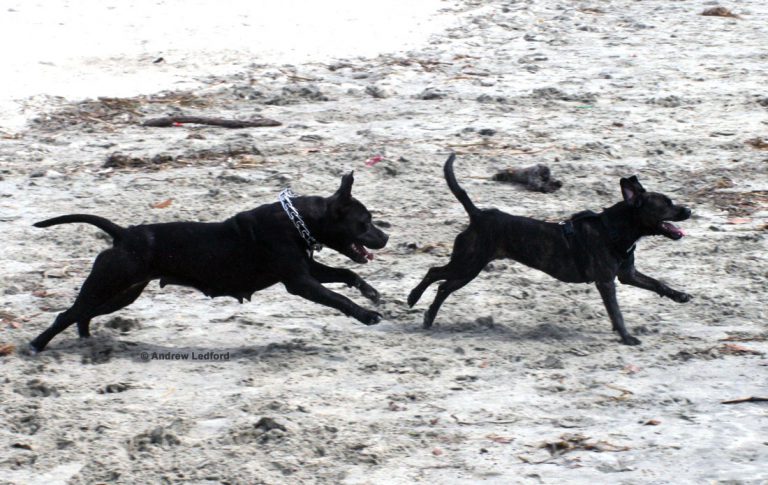
Direction changes you don't control. Dogs weave, stop to sniff, circle behind you, go between your feet, and cut in front without warning. Each change forces an unplanned weight shift and/or stumble. These unplanned events, weight shifts, and stumbles are where falls happen. Sudden lunges to one side or the other are also how wrist injuries happen.
Divided attention. You're not just walking, you're watching the dog, watching the environment, watching the leash, and often listening for traffic. You're task-stacking, and your attention is divided. This kind of multitasking is a well-documented driver of a fall risk in older adults. Even those with good physical strength and balance can succumb to it.
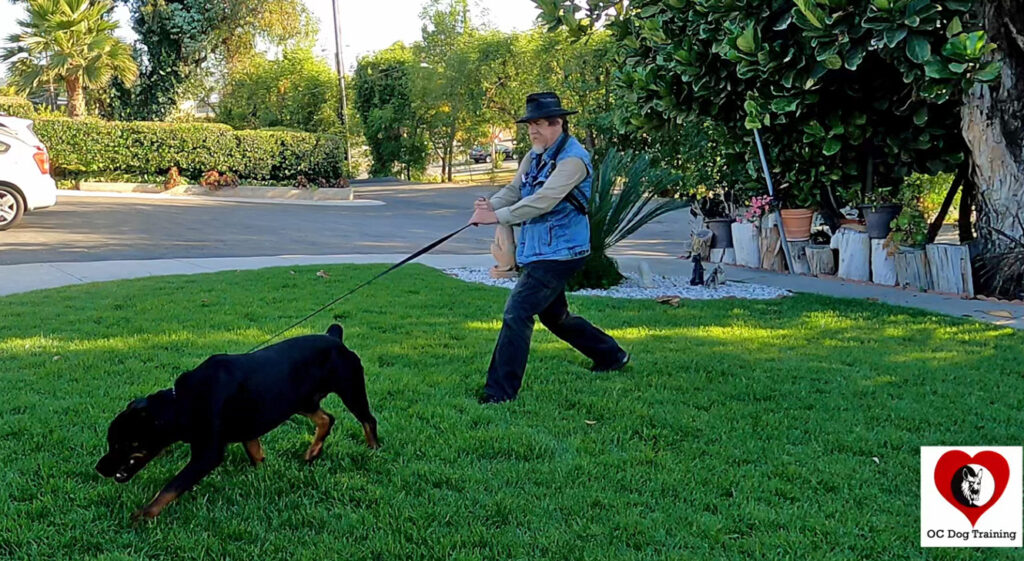
A leash is a physical connection to something stronger than you expect. Pound for pound, dogs are stronger than most humans. Their biomechanics also include powerful neck and shoulder muscles built to bring down prey. So just pulling back on a harness or collar may not be enough to control the dog. Even a mid-sized dog can generate surprising force, and most people underestimate that force until they're already falling.
Statistically, walking is a safe activity, even with a dog. Training makes it safer. When walking a dog, we need to stay cognizant of the fact that there's an unpredictable, semi-autonomous variable attached to your hand. Preventing falls while dog walking means addressing two separate problems at once: how you move, and how the dog moves, not just one or the other.
A Quick Fall Risk Self-Check
You don't need a clinical evaluation to get a sense of your own risk level. Answering a few questions can tell you a lot. Some of these are adapted from the kind of fall-risk screening physical therapists and geriatricians use, tailored specifically to dog walking. Some come from working with fall-risk clients and real-world experience.
Answer these to get a sense of your dog-walking fall risk:
- Have you already had a close call? A stumble, a near-fall, or a moment where the leash pulled you off balance, even if you caught yourself, this is a strong predictor that a real fall is coming if nothing changes.
- Does your dog pull, lunge, or change direction without warning? If you're bracing for it on every walk, you're managing risk reactively instead of walking with confidence.
- Do you feel unsteady changing direction quickly, even without the dog? Fall risk isn't just about the dog, it's also about how well your own balance and reaction time hold up under a sudden, unplanned shift.
- Are you already changing your routine because of this? Walking shorter routes, avoiding certain times of day, or bringing someone else along are all signs that fear of falling is already shaping your life. Research shows that fear of falling is its own risk factor, separate from whether you've actually fallen.
If you answered yes to more than one of these, that's not a reason to stop walking your dog. As we've seen, regular dog walking is very good for your mobility and independence. It's a signal that the way you're walking may need to change.
Here are two additional fall assessments from the CDC (Centers for Disease Control and Prevention) that I think are work knowing about
Timed Up & Go (TUG)
The 4-Stage Balance Test
Senior Citizen Dog Training, The Two-Part Fix: You and the Dog
Here's what most dog fall-prevention advice misses: you can't solve this by only working on the dog, and you can't solve it by only working on yourself. The two are tied together, and skipping either means you're only training half the solution. Even if you train each one through different programs, you still need to figure out how to effectively combine them.
Proper leash handling, balance, reaction time, and how your body recovers from a sudden pull don't stay sharp automatically. But they're trainable, the same way strength or flexibility is. Someone who's practiced controlled weight shifts, quick stabilizing steps, and an appropriate automatic response to a sudden movement or dog lunge is doing preemptive fall-prevention training. The behavior of a trained individual is very different when the dog lunges than someone whose body has never rehearsed that moment. It's about giving your body a rehearsed, automatic response instead of reacting with confused, chaotic movement. A side benefit is increased strength and flexibility.
In the case of safe dog walking, the whole is greater than the two halves. We need to train the human to have good balance along with teaching the dog to behave better. Even a well-behaved dog won't prevent a fall if your balance and reactions are off. Even extensive personal balance work can't fully offset the lunge of a 60-pound dog, especially when that lunge comes without warning. The walks that stay safe are the ones where both sides have been trained together, not in isolation.
What The Training Looks Like
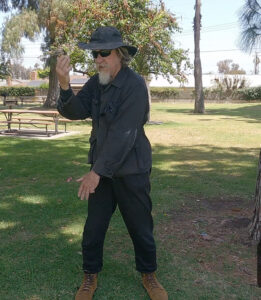
Most dog obedience training is built around the dog, this is teaching commands, positive reinforcement, leash pressure, and corrections. That's necessary, but it only solves half of the equation. The other half is you: how your body reads and reacts to sudden changes and movement.
In traditional obedience training, human biomechanics and balance usually don't get the same focus and attention as the dog's behavior. The human side of the equation needs to train in both strength and balance, as well as dog-handling skills. Here we draw on balance-based movement work from practices like Tai Chi Chuan, which has been studied for decades for its ability to improve balance, reaction time, and fall resistance in older adults. The core skill isn't strength. It's orientation while staying grounded and aware enough that when the leash pulls unexpectedly, your body has a rehearsed way to absorb and recover, instead of being caught flat-footed.
In practice, this looks like:
- Solo handler training: controlled weight-shift drills where we learn good body mechanics in preparation for responding to an unexpected pull. We practice these drills in a stable, low-risk setting, so by rehearsing the correct behavior, your body has already "done this before" when it happens on a real walk.
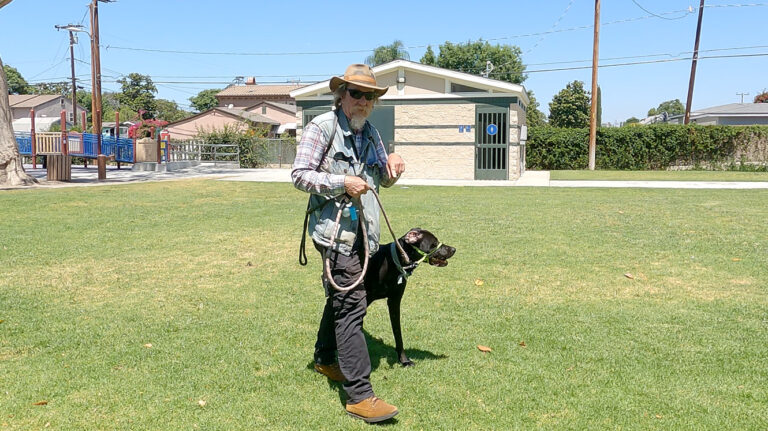
- Leash-handling technique: how you hold the leash makes a real difference. Improper leash handling is a common cause of injuries.
- Paired training sessions: working with you and your dog together, not separately, since a leash-trained dog and a balance-trained handler only work as a system when they're trained as one.
This is the piece that's usually missing from both dog training and generic fall-prevention advice. Most experienced dog trainers are aware of balance and positioning, but they don't focus on it, and they don't use an evidence-based balance training program to teach it. Most balance programs never account for the variable of a 60-pound darting, bolting, lunging dog on the other end of a leash.
This Kind of Training Is Preventative Beyond Falls, Too
Balance-based movement training doesn't just help you stay upright on a walk. I've been working with more clients recently who are managing mild cognitive impairment or early-stage Parkinson's, and the research on Tai Chi specifically extends well past fall prevention for these groups.
A National Institute on Aging–funded study found that older adults with mild cognitive impairment who practiced Tai Chi, especially a cognitively enhanced version that paired mental challenges with the physical movements, showed improved cognitive test scores after six months. Multiple systematic reviews and meta-analyses have since backed this up, finding Tai Chi associated with improvements in global cognition, memory, executive function, and processing speed in older adults with mild cognitive impairment.
For Parkinson's disease specifically, the evidence is even more consistent. Multiple randomized controlled trials and meta-analyses have found that Tai Chi significantly improves balance and functional mobility and reduces fall rates in people with Parkinson's, compared to no intervention or other standard exercise.
None of this means Tai Chi or balance training replaces medical care for either condition, it doesn't. But it's part of why I don't think of this training as purely reactive "fall prevention." For a lot of the people I work with, it's a broader piece of staying independent and steady as they age, with fall prevention on a dog walk being one visible, immediate application of it.
The Bottom Line
The research is clear: Walking your dog is one of the better things you can do for your health as you age. But the leash itself is a variable most fall-prevention advice was never designed to handle. The average dog training program wasn't designed to address the needs of a more mature human half of that equation. Traditional modern dog training is based on military dog training made popular in 1906 by Konrad Most. So it was meant for people who were fairly athletic.
If you recognized yourself in more than one of the self-check questions above, that's worth taking seriously. You don't want to stop walking. As we’ve seen, walking has been shown to reduce the chance of falls, and it's associated with other health benefits, especially as we get a few more years on us. But it is a good reason to get some outside eyes on how you and your dog move together.
Because every dog and every handler's situation is different, a short phone evaluation is usually the best way to get started. We first need to find out if this is even something that would help you. On this call, we can talk through what's actually happening on your walks, have there been any close calls, how much pulling there is, and the specific moments that worry you. That conversation should be enough to tell us both whether this program is a fit, and what the first real session should look like.
Reach out let's schedule a call 714-827-4058 and talk through what's going on with your walks.
References
Powell K, et al. "Walking a Leashed Dog Associated with Risk of Traumatic Brain Injury Among Adults." Johns Hopkins Medicine, 2023. hopkinsmedicine.org
Maxson R, et al. "Ways to Prevent Injuries While Walking Your Dog." AARP, 2023 (citing Johns Hopkins research on age-related fall/fracture/TBI risk in dog walkers). aarp.org
Curl AL, et al. "The Association of Regular Dog Walking With Mobility, Falls, and Fear of Falling in Later Life." Journals of Gerontology: Series A, 2025.
Li F, et al. NIA-funded study on cognitively enhanced Tai Chi and mild cognitive impairment, published in Annals of Internal Medicine. Summarized at nia.gov.
Yang J, et al. "Tai Chi is Effective in Delaying Cognitive Decline in Older Adults with Mild Cognitive Impairment: Evidence from a Systematic Review and Meta-Analysis." 2020.
Gao Q, et al. "Effects of Tai Chi on balance and fall prevention in Parkinson's disease: a randomized controlled trial." 2014.
Liu HH, et al. "Effects of Tai Chi Exercise on Reducing Falls and Improving Balance Performance in Parkinson's Disease: A Meta-Analysis." Parkinson's Disease, 2019.
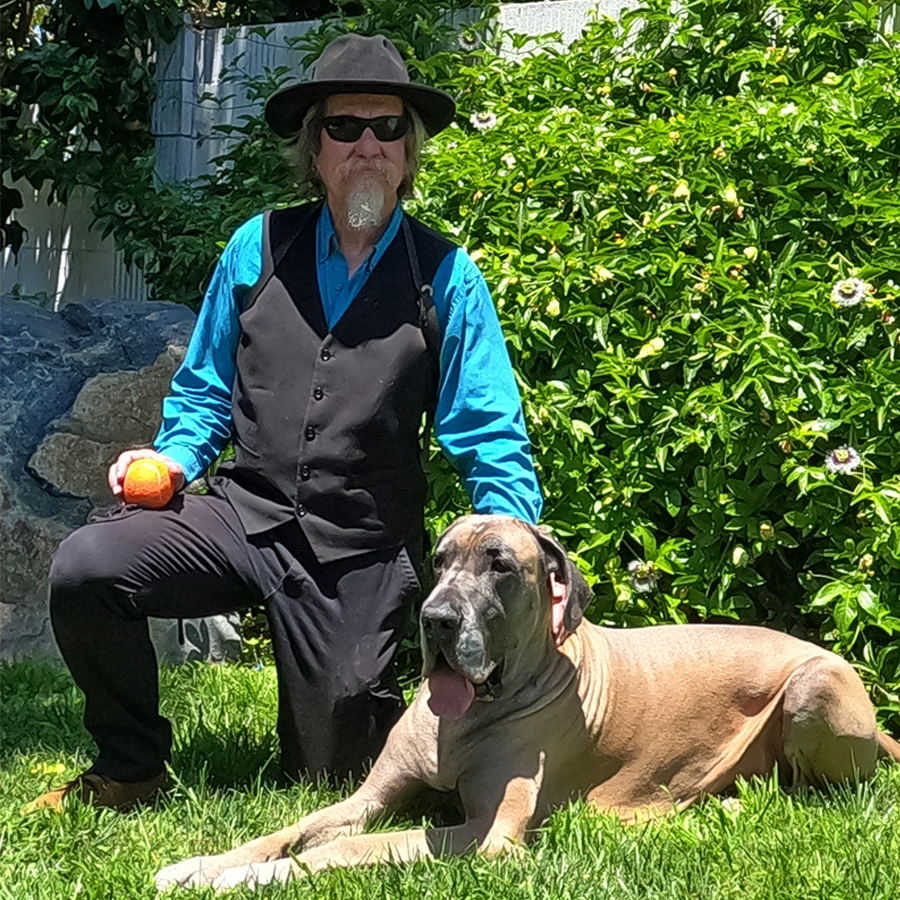
Your Dog Trainer Andrew Ledford Serving 714 Orange County, Long Beach, all the 562 as well as parts of the Gabriel Valley from Hacienda Heights to Pasadena.
Andrew is the founder of OC Dog Training Network and has been training dogs and educating owners in Orange County and the greater Los Angeles area for over 35 years. For information on training programs and services,
Call Today
Andrew Ledford
OC Dog Training Network
714-827-4058